
The Power of a Homecooked Meal
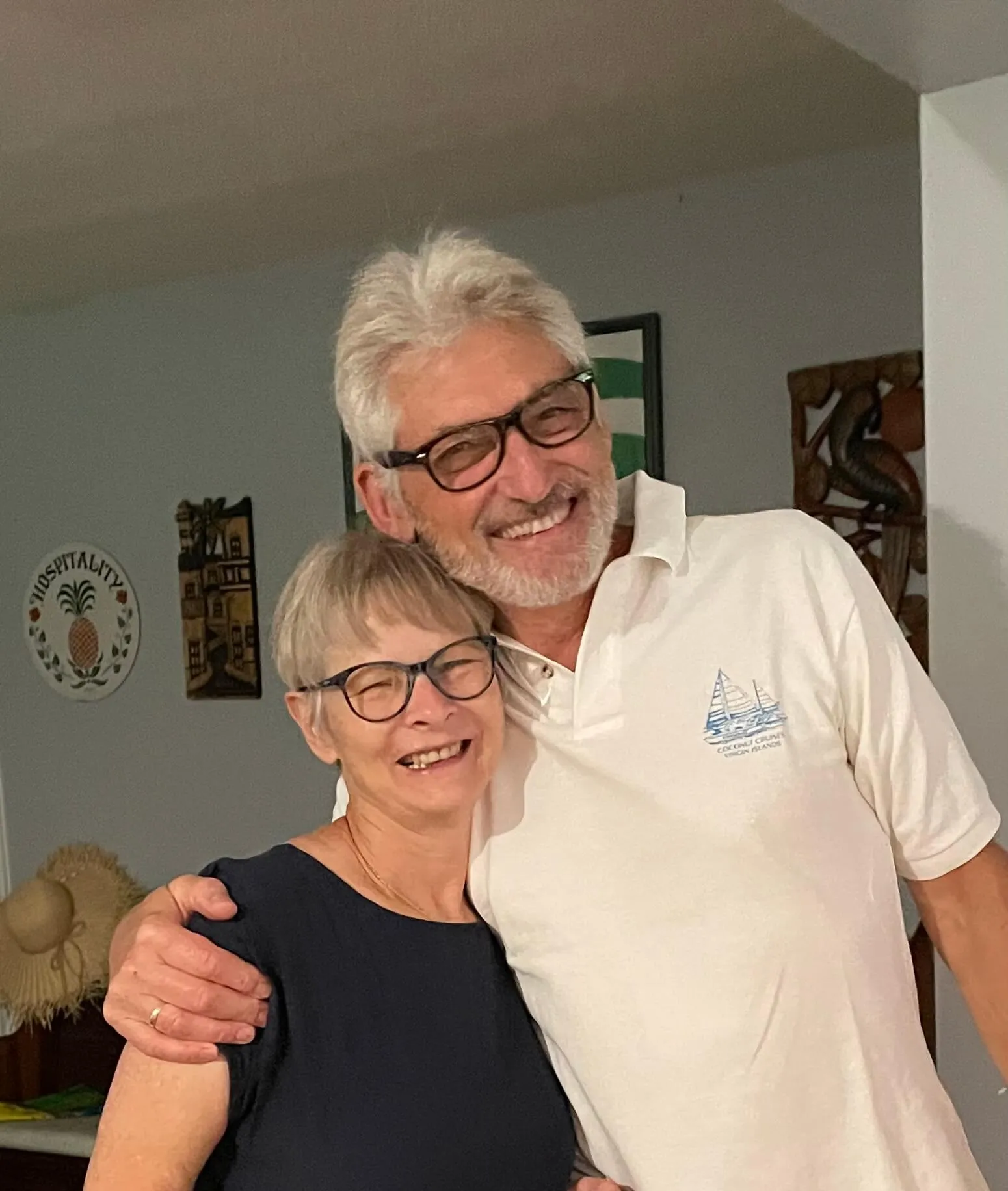
After years of living abroad, Petra and Christer Holtze found their new home and a new ministry in southeast Georgia.
Petra grew up in Germany and met her husband there in her early twenties. After a few years of marriage, they moved out of Germany. Because of their jobs in the hotel industry and Petra’s work with Bible Study Fellowship, they moved from the United States to the Caribbean to Brazil.
With retirement on the horizon, Petra and Christer settled in Georgia to live closer to their son and his family. Here, they found a church community and a new outreach opportunity.
One Sunday, Shannon Ramsey, Families 4 Families’ chief recruitment officer, visited their church to introduce the organization and explain the need for foster care support.
“I thought it was such a warm ministry,” Petra said. “We understand that [removal and foster care] is a real hardship for children.”
After church, Petra and Christer discussed how they could best serve foster families and children in care.
“Many counties have difficulty finding foster homes, and that strikes us,” Christer shared.
“If kids in foster care are being taken out of broken or dysfunctional homes, they need to be placed in a functional home. From our point of view, a functional home is a Christian one. If we can help [Christian foster families] in any way, that’s what we want to do.”
But the Holtzes know that foster care can bring disruption and dysfunction, even to Christian families. When their own son and daughter-in-law welcomed three boys in foster care into their family of six, Petra and Christer saw how family dynamics shifted and how the children struggled to feel like they fit in.
Petra decided she could lift some of the burdens foster parents feel by putting her cooking skills to good use.
“I make meals once a month for about 50 or 60 people,” she explained. “I’m using my own recipes, and so far everyone is happy! I deliver them to [foster families] or families pick them up here.”
She and Christer have heard from families they’re feeding about how difficult the foster care journey can be while children struggle to find healing and stability.
“[Foster care] can be very hard on parents who don’t share history with their kids,” Petra explained. “There’s a lot of background you need to find out in order to know how to best parent these children.”
That’s why foster families need additional support to press through the long days of court dates, appointments and difficult behaviors. Whether it’s packaging meals once a month to feed several families or donating a box of diapers, everyone can be a piece of the puzzle.
Want to become a piece of the puzzle for foster families? Learn more about opportunities to help at families4families.cc/get-involved.