
Foster Care Services: Supporting Children and Families in Georgia
Foster care plays a crucial role in giving children a safe, stable, and nurturing environment when their own homes cannot meet their needs. In Georgia, foster care services help children grow, develop, and thrive while also supporting families who open their hearts and homes to children in need.
This article explains the basics of foster care, the services available in Georgia, and how these programs positively impact children, foster parents, and the wider community.
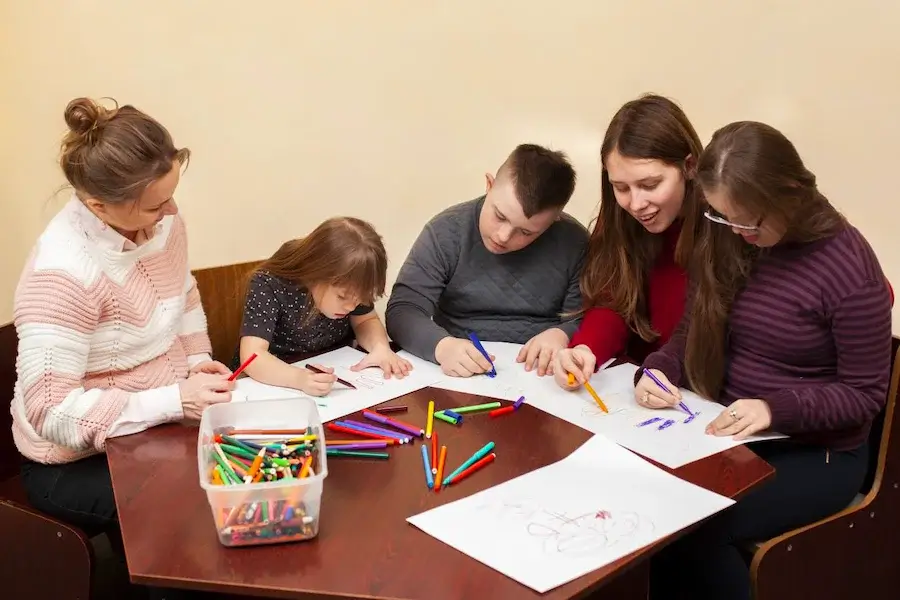
What Is Foster Care
Foster care is a temporary living arrangement for children who cannot live safely with their biological families. Children may enter foster care due to neglect, abuse, parental illness, or other difficult family circumstances.
The main goal of foster care is to provide a secure and supportive environment where children can develop emotionally, physically, and mentally until they can safely return home or move into a permanent adoptive placement.
Key Objectives of Foster Care
Foster care is designed to protect children and support families through a structured system. Core objectives include:
- Safety: Ensuring children are protected from abuse or neglect.
- Stability: Providing a consistent, nurturing home environment.
- Support: Offering counseling, education, and health services.
- Family reunification: Helping biological families regain stability when possible.
Foster care is more than temporary housing. It is a coordinated support system that meets children’s needs while helping families navigate challenging situations.
Foster Care in Georgia
Georgia’s foster care system is overseen by the Division of Family and Children Services. The state works to ensure that children receive quality care and that foster parents have access to training, guidance, and resources.
Types of Foster Care Services
Georgia offers several foster care options to meet different needs:
Traditional Foster Care
Children are placed with licensed foster parents who provide care in their homes.
Therapeutic Foster Care
This placement supports children with emotional, behavioral, or mental health needs requiring specialized care.
Kinship Care
Children are placed with relatives or close family connections to preserve relationships and provide stability.
Emergency Foster Care
Short-term placement used when children need immediate, temporary care due to urgent circumstances.
Each type of foster care is built to support children’s safety and well-being while giving foster parents the tools they need for successful caregiving.
Benefits of Foster Care Services
Foster care services in Georgia provide meaningful support for both children and foster families.
Benefits for Children
- Emotional support: Access to counseling and mental health services.
- Education stability: Support to remain enrolled in school or receive academic help.
- Health care: Regular medical care and treatment for physical and developmental needs.
Benefits for Foster Families
- Training and guidance: Education on child development, trauma-informed care, and effective parenting strategies.
- Financial support: Monthly stipends and reimbursements to help cover children’s needs.
- Community resources: Connection to agencies, peer networks, and local support groups.
These services help foster families provide consistent, supportive care while ensuring children have the resources they need to thrive.
How to Become a Foster Parent in Georgia
Becoming a foster parent involves several steps to confirm that children enter safe and supportive homes.
Attend Orientation
Learn about foster care expectations, responsibilities, and program structure.
Complete an Application
Submit required information, background checks, and documentation.
Participate in Training
Finish pre-service training on foster care, trauma awareness, and best practices.
Complete a Home Study
An evaluation confirms the home is safe, stable, and appropriate for foster placement.
Receive Licensing Approval
After meeting all requirements, families are certified to foster children.
This process prepares foster parents for the emotional and practical responsibilities of caring for children in transition.
Challenges in Foster Care
Foster care is rewarding, but it comes with real challenges for both children and families.
- Emotional stress: Children may carry trauma, grief, or anxiety.
- Adjustment periods: Families and children may need time to build trust and adapt to new routines.
- Access to resources: Some households may need extra help navigating services.
Strong agency support, patient caregiving, and consistent communication help foster families manage these challenges effectively.
Support Available for Foster Families
Georgia’s foster care system provides ongoing support to help foster families succeed.
Counseling and Therapy
Services for children and families to address emotional well-being and trauma recovery.
Respite Care
Short-term care options that give foster parents scheduled breaks.
Educational Assistance
Tutoring, mentoring, and special education supports as needed.
Financial Assistance
Monthly stipends, medical coverage for foster children, and reimbursements for approved expenses.
These supports are essential for building stable placements and helping foster families continue providing safe care over time.
The Role of Foster Care Services in the Community
Foster care strengthens communities by protecting vulnerable children and supporting family stability. When children are safe, supported, and able to access education and health care, they are more likely to reach their full potential.
Community-wide benefits include reduced child neglect and abuse, stronger family systems, and healthier long-term outcomes for children growing up in foster care.
How to Support Foster Care in Georgia
Even if you are not able to foster, there are still meaningful ways to help:
- Volunteer: Mentor children or support foster care organizations.
- Donate: Provide school supplies, clothing, household goods, or financial contributions.
- Advocate: Raise awareness of foster care needs and available services.
- Become a foster parent: Offer a safe home to a child who needs stability and care.
Community involvement keeps foster care services strong and ensures children have the support they deserve.
Final thoughts
Foster care services in Georgia are essential for protecting children and strengthening families. By providing safe, stable, and nurturing homes, foster care helps children grow, heal, and thrive. Whether through fostering, volunteering, donating, or advocating, every effort contributes to better outcomes for children and healthier communities overall.
Understanding foster care and its available services empowers families and individuals to play a meaningful role in supporting children who need care, stability, and hope.
Frequently Asked Questions
Q) What is the main purpose of foster care?
A) Foster care provides a temporary safe home for children who cannot live safely with their biological families, while working toward reunification or permanent placement.
Q) Who oversees foster care in Georgia?
A) Foster care in Georgia is managed through the Division of Family and Children Services, which coordinates placements and support services statewide.
Q) What types of foster care placements exist in Georgia?
A) Georgia offers traditional foster care, therapeutic foster care, kinship care, and emergency foster care to match children with the right level of support.
Q) What support do foster parents receive?
A) Foster parents receive training, financial stipends, counseling resources, and access to community support networks.
Q) How can I help if I cannot foster?
A) You can volunteer, donate resources, advocate for foster care programs, or mentor children in foster care.