
Christian Foster Care in Georgia: Walking in Faith, Serving in Love
For many families, the decision to become a foster parent isn’t just a personal choice — it’s a spiritual calling. Fostering embodies compassion, service, and love, all central to the Christian faith. Partnering with a Christian foster care agency can provide a powerful framework for this journey, offering not only practical support but also spiritual guidance rooted in shared values.
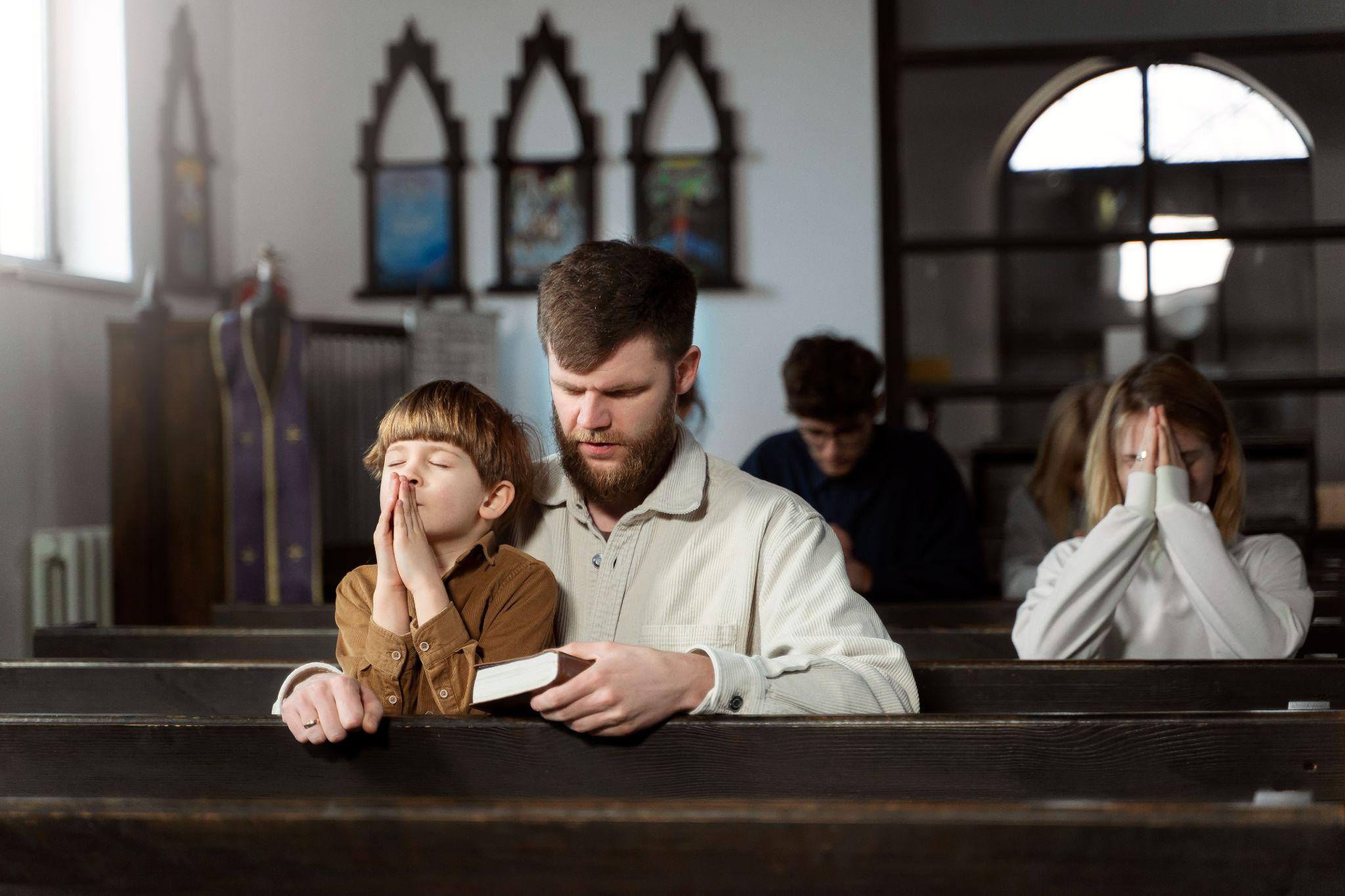
Foster care is a calling that extends beyond providing shelter and basic needs. For families rooted in faith, it becomes an opportunity to live out Christian values, offering children not only safety but also love, guidance, and hope. Across Georgia, many families feel led by their faith to open their homes to children who need stability and care.
At Families 4 Families, we walk alongside church-going families who feel called to foster, providing personalized guidance and faith-based support every step of the way. As a Christian foster care agency, our mission is to strengthen families, support children, and live out the principles of compassion and service found in the Gospel.
Understanding Foster Care from a Christian Perspective
What Is Foster Care?
Foster care provides temporary care for children whose biological families are unable to meet their needs due to hardship, neglect, or unsafe circumstances. The goal is to ensure each child experiences stability while their future whether reunification, adoption, or another permanent arrangement is determined.
From a Christian perspective, fostering is not just about filling a need; it is about embodying God’s love in action. Scripture consistently calls believers to care for the vulnerable, including orphans and children in need. Foster care allows families to answer this call in a deeply practical way.
Why Faith Matters in Foster Care
Children in foster care often come from traumatic backgrounds. They need not only physical safety but also emotional healing and a sense of belonging. Christian families can provide a foundation of unconditional love rooted in faith, helping children understand their worth and value.
By integrating Christian principles into caregiving, foster parents can help children build trust, develop resilience, and find hope even in difficult circumstances.
What Makes a Christian Foster Care Agency Different?
In Georgia, there are many organizations that license and support foster parents. However, a Christian foster care agency like Families 4 Families brings a faith-based approach to the process.
Key Distinctions Include:
- Faith-Centered Training: Foster parents are equipped not only with practical skills but also with faith-based guidance on how to navigate challenges.
- Church Partnerships: Churches play an active role in supporting foster families, offering prayer, mentorship, and community resources.
- Spiritual Encouragement: Both children and families are supported with faith-driven resources such as devotionals, counseling, and Christian fellowship.
- Holistic Support: Recognizing that fostering affects the entire family, Christian agencies provide care for foster parents, biological children, and extended family members.
By weaving faith into every aspect of foster care services, Christian agencies create an environment where children can experience love, grace, and stability.
The Role of Families 4 Families in Georgia
At Families 4 Families, we believe fostering is a community effort rooted in faith. Our role as a Christian foster care agency includes:
- Recruiting and Licensing Families: We guide families through the certification process to become foster parents.
- Training: We provide both state-required and faith-based training to prepare families for the journey ahead.
- Ongoing Support: From case management to prayer support, we remain actively involved in every step.
- Community Connection: We organize events, small groups, and church-based gatherings to encourage fellowship and support. We offer moms’ events that are open to the community.
Our approach emphasizes partnership between families, churches, and our agency to ensure that children thrive in loving homes.
For more about our mission and how you can be part of it, visit Families 4 Families.
Becoming a Foster Parent with a Christian Foster Care Agency
Who Can Foster?
Foster parents in Georgia come from all walks of life. At Families 4 Families, we specifically walk alongside church-going families who share our Christian values. Whether single, married, or parents already raising children, families who feel called to foster can begin the process.
Basic requirements include:
- Being at least 25 years old.
- Completing background checks.
- Completing required training.
- A willingness to provide a safe, stable, and loving environment.
The Licensing Process
The journey to becoming a foster parent includes several important steps:
- Information Session: Families learn about the requirements and expectations.
- Application: Families submit paperwork, references, and background checks.
- Training: Parents complete courses on trauma-informed care, discipline, and child development.
- Home Study: A review of the home environment and family readiness.
- Approval: Families become licensed and can begin receiving placements.
As a Christian foster care agency, Families 4 Families ensures this process is not only thorough but also rooted in faith and encouragement.
Challenges and Blessings in Christian Foster Care
Common Challenges
- Emotional Attachment: Letting go when a child reunifies with their biological family can be difficult.
- Trauma-Related Behaviors: Children may struggle with trust, attachment, or behavioral issues.
- Time and Energy: Fostering can be demanding, requiring flexibility and patience.
Spiritual and Emotional Blessings
- Living Out Faith: Families embody the Biblical call to care for the vulnerable.
- Strengthened Families: Fostering often deepens a family’s faith and unity.
- Impacting Lives: The love and care provided can transform a child’s future.
Though the journey may be challenging, many Christian foster parents describe it as one of the most rewarding experiences of their lives.
How Churches Can Support Foster Families
Churches play a vital role in the mission of Christian foster care agencies. Beyond recruiting families, churches can create support systems that help sustain foster parents in their calling.
Ways churches can help include:
- Prayer and Spiritual Support: Covering foster families in prayer.
- Respite Care: Offering short-term babysitting or overnight care.
- Meals Ministry: Providing meals during busy or difficult seasons.
- Practical Donations: Supplying clothing, diapers, or school items.
- Community Awareness: Hosting information sessions and events.
When churches embrace fostering as a ministry, they expand the reach of care and ensure that no family walks this journey alone.
Why Faith-Driven Foster Care Matters
Foster care is about more than physical safety. It is about restoring hope, dignity, and belonging to children who have endured hardships. A Christian foster care agency approaches this mission with the belief that every child is created in God’s image and worthy of love.
By combining professional support with faith-based encouragement, these agencies ensure that foster families are not only well-prepared but also spiritually sustained.
Conclusion
Foster care is a powerful way for Christian families to live out their faith. By opening their homes and hearts to children in need, families answer God’s call to love and serve the vulnerable.
At Families 4 Families, we believe no family should walk this journey alone. As a Christian foster care agency, we provide guidance, training, and community to help families succeed in fostering. Together with churches, families, and communities we can ensure that children in Georgia experience love, safety, and hope.
If your family feels called to foster, consider joining us for an information session and learning how you can make a difference.
Learn more at Families 4 Families
Frequently Asked Questions About Christian Foster Care
Both provide licensing and support for foster families. However, a Christian agency like Families 4 Families integrates faith, community, and spiritual support throughout the process.
Yes. Families 4 Families partners with church-going families who share Christian values, as fostering is seen as a faith-driven calling.
Foster parents receive a reimbursement from the state to cover a child’s basic needs. This is not considered income but helps ensure the child’s well-being.
Sometimes. While reunification is the primary goal, foster parents may adopt if reunification is not possible.
Families receive state-mandated training as well as additional faith-based guidance to equip them for challenges they may face.